
Nutrition
-

By Heidi Cashwell, Agriculture and Natural Resources Agent, Butts County Healthy pastures are the foundation of a sound equine management program, but even well-maintained fields can hide dangerous plants. Several common trees found in or near horse pastures pose serious health risks if consumed. In many cases, horses turn to these plants when forage is…
Posted in: General -
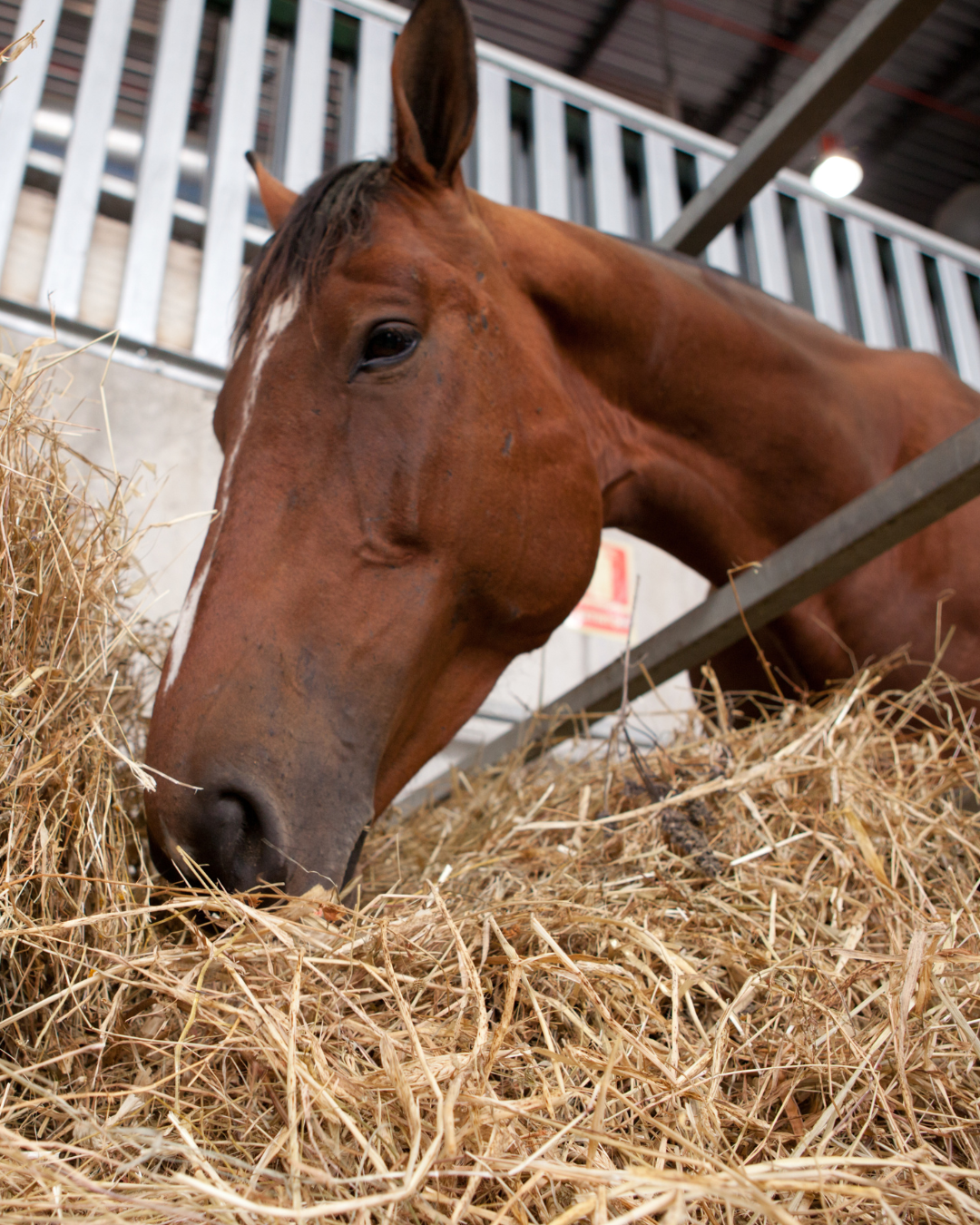
By: Robyn Stewart, ANR Agent and County Extension Coordinator, Lincoln County Introduction The foundation of every equine diet is good-quality forage. That statement alone raises several questions: What qualifies as forage? What parameters define “good quality”? And if forage is the foundation, what do we do when we don’t have sufficient hay or pasture? The…
-
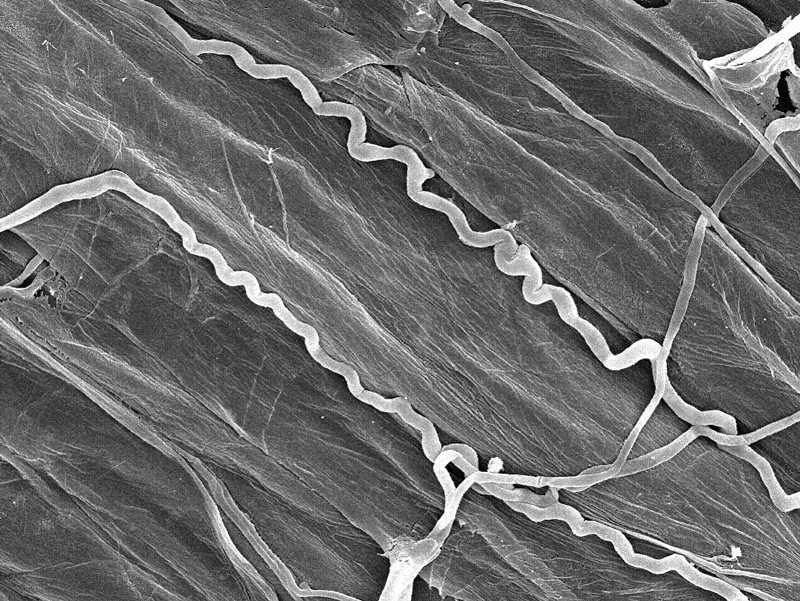
By: Brenda Jackson, County Extension Coordinator and Agriculture and Natural Resources Agent, Murray County Tall fescue is one of the most widely grown pasture grasses in the U.S., with over a million acres grown in North Georgia alone. A bunch grass, it is the most heat tolerant of all the cool season grasses. However, that…
Posted in: General -
By: Lucy Ray, Morgan County Extension Agent Temperatures are getting cooler and we are not far from the beautiful fall foliage that makes this season one of my favorites! Along with being the perfect time for trail riding, fall is the perfect season to start thinking about your winter forage needs. Fortunately, in Georgia, we have several…