

Recent Posts
-
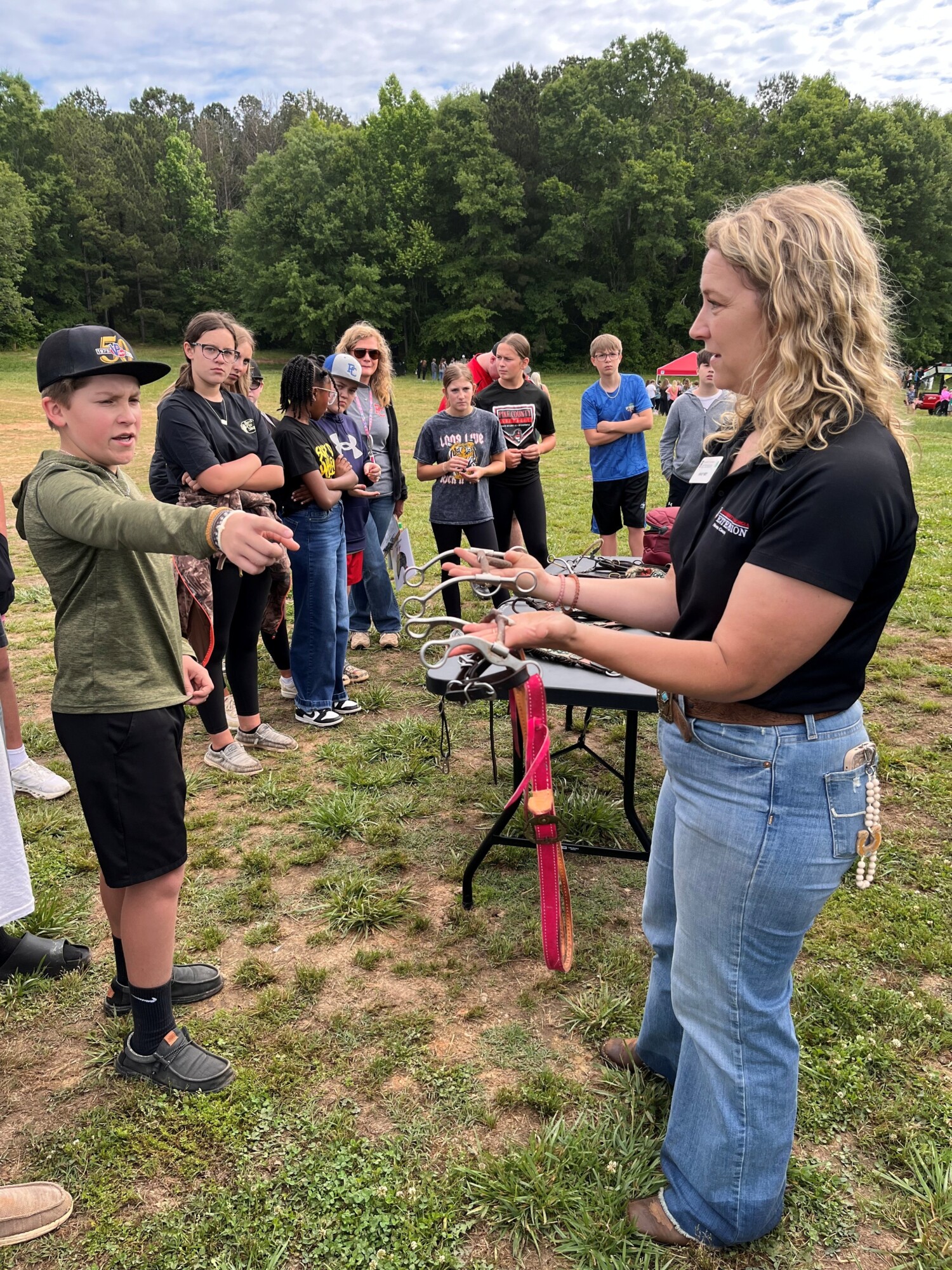
When your horse throws a shoe, you call the farrier. When your horse bows a tendon, you call your vet. When your feed is running low, you call the feed store. When it is time to stock up on hay for the winter, you call the hay producer. Where does Extension fit in a horse…
Posted in: General -
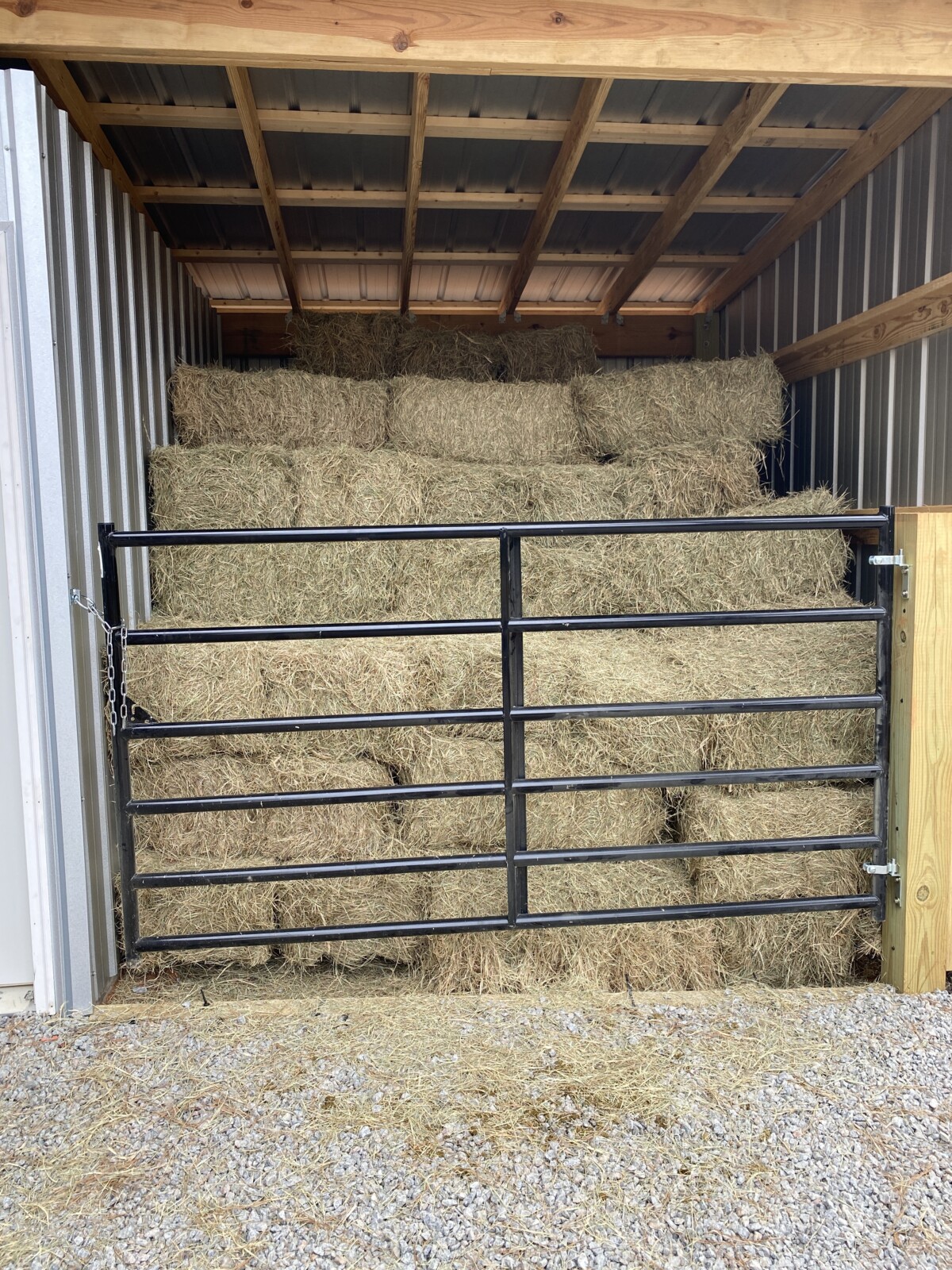
In part 1 of this series, we discussed characteristics and nutritive values of different types of forages along with factors that influence forage quality. In this article, we will explore how to test your forage, how to interpret the results, and some practical guidelines for hay management. Hay Testing As mentioned in our previous issue,…
Posted in: General -
If you are breeding your stallion for the first time, start with a general wellness check before moving to the reproductive evaluation. Sounds strange when you talk of horses, but you want a stallion that has the physical and mental aptitude to “deliver” semen when needed. A good pedigree or winning lots of competitions doesn’t…
-
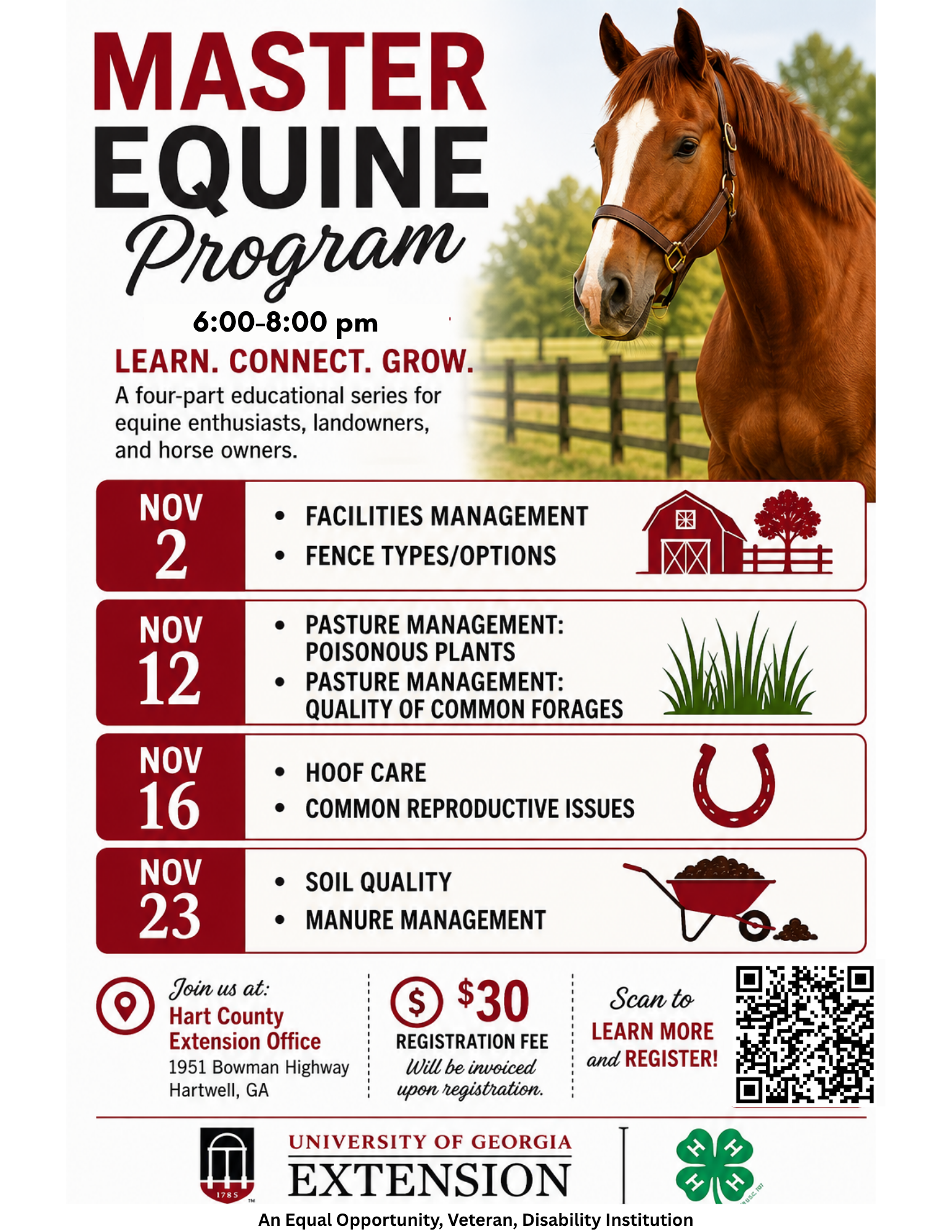
Horse owners, landowners, and equine enthusiasts are invited to join the UGA Extension Master Equine Program, a four-part educational series designed to provide practical knowledge for managing horses and equine properties. Sessions will be held from 6:00–8:00 p.m. Topics include facilities management and fencing (Nov. 2), pasture management and forage quality (Nov. 12), hoof care and common reproductive…
-
By Robyn Stewart, Ph.D., County Extension Coordinator and ANR Agent, Lincoln County In recent years, horse owners have gained access to a wider variety of hay species than ever before. Improvements in transportation and distribution networks have made it possible for horse owners throughout the Southeast to purchase hays produced in other regions of the…
-
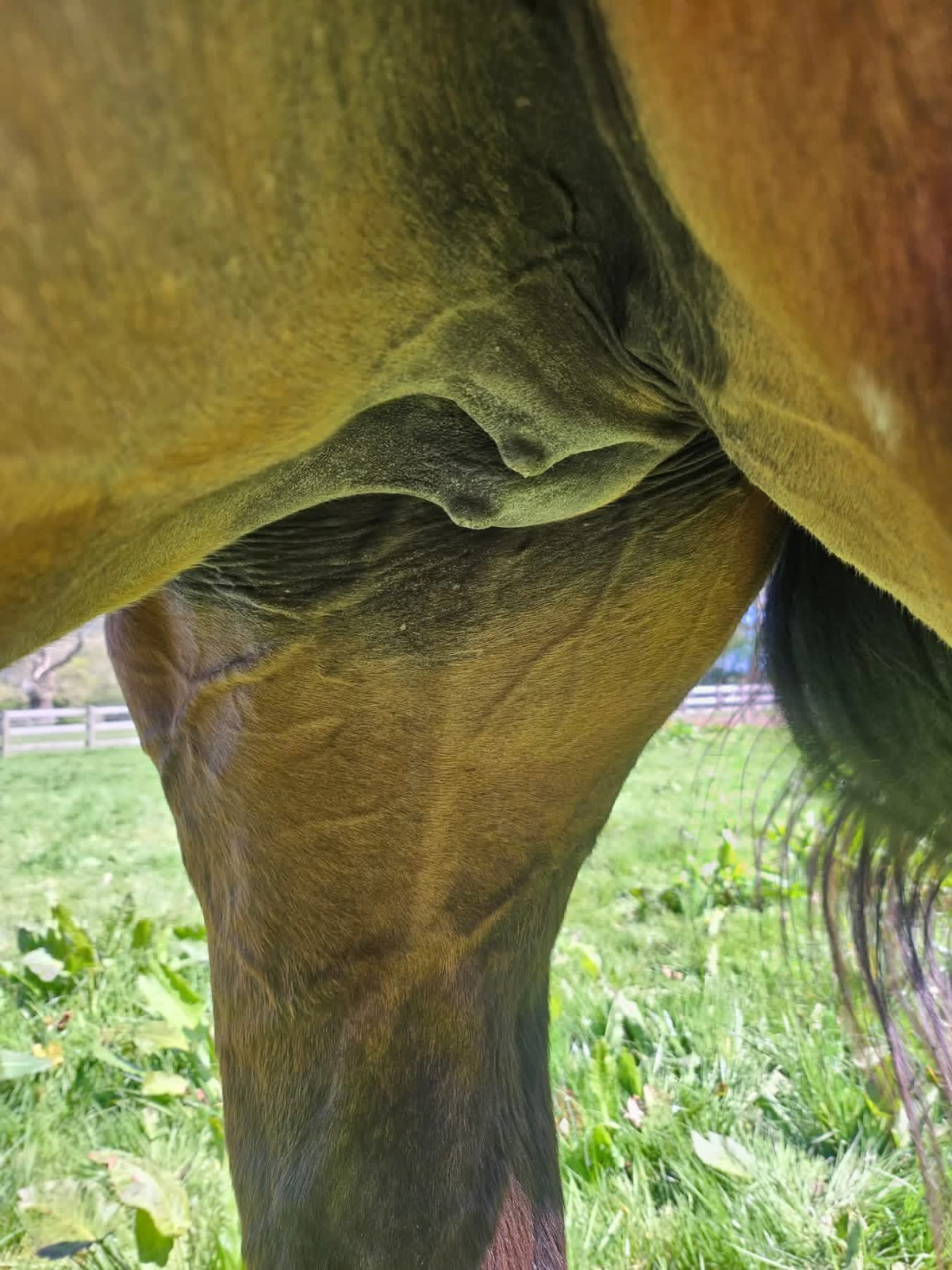
By Ashley Best, County Extension Coordinator and ANR Agent, Newton County Routine grooming of horses often focuses on the coat and hooves, but two areas frequently overlooked are the sheath of geldings and stallions and the udder area of mares. Research from equine veterinarians and Extension resources indicates that periodic cleaning of these areas can…
Posted in: General -
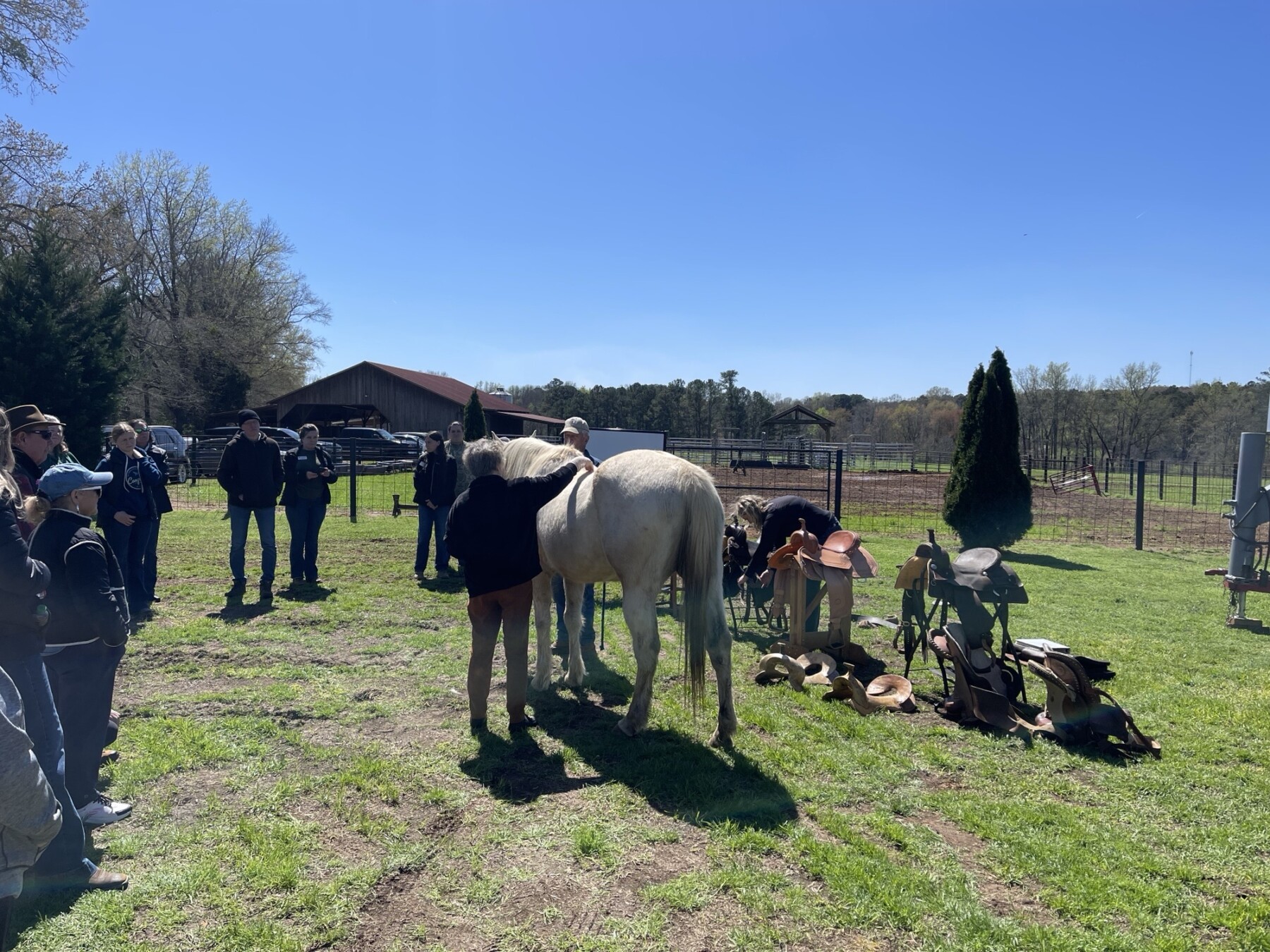
By Derrick Jones, ANR County Extension Agent, Jasper County The Equine Short Course is an annual event. This year’s event was successfully held on Friday, March 13, 2026, at 3 Heart Farm, bringing together 36 equine owners and enthusiasts from across the region for a full day of hands-on learning and practical demonstrations. The program was organized and delivered…
Posted in: General -
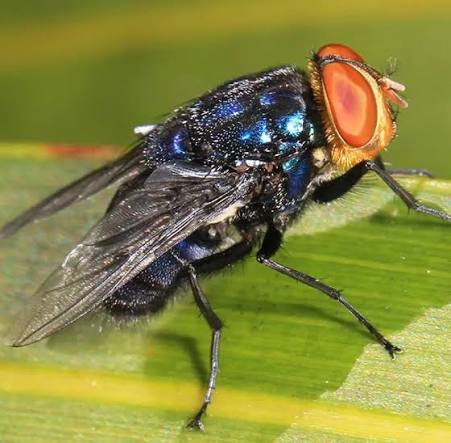
By Lucy Ray, County Extension Coordinator and ANR Agent, Morgan County By now, you’ve probably heard of the New World Screwworm or seen the headlines on various mainstream media outlets proclaiming that a “Flesh Eating Parasite Invades US!!”. Once you weed through the headlines, what does the New World Screwworm mean for those of us in livestock…
-

By Brenda Jackson, County Extension Coordinator and Agriculture and Natural Resources Agent, Murray County Raising a healthy foal starts with the foaling process. During and immediately after foaling are the two most critical points in that foals’ life. Start by considering the actual foaling process in stages. As the expected birth date closes in, start bringing the mare…
Posted in: General -

By Heidi Cashwell, Agriculture and Natural Resources Agent, Butts County Healthy pastures are the foundation of a sound equine management program, but even well-maintained fields can hide dangerous plants. Several common trees found in or near horse pastures pose serious health risks if consumed. In many cases, horses turn to these plants when forage is…
Posted in: General